Introduction
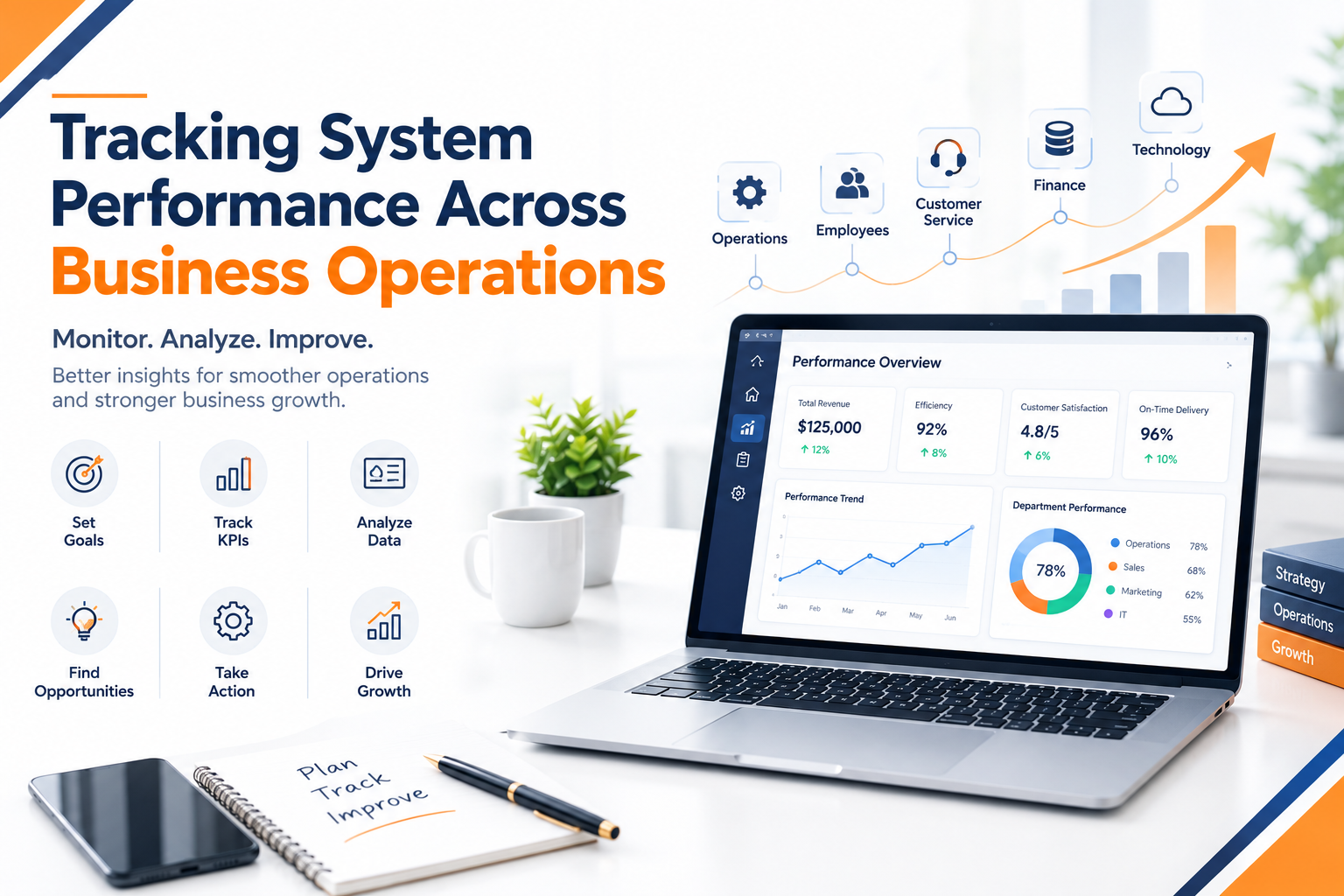
Performance tracking is essential for businesses that want to improve productivity, reduce operational delays, and achieve consistent results. By monitoring key performance indicators (KPIs) across different departments, organizations can identify inefficiencies, measure progress, and make informed decisions. A structured performance tracking system helps businesses understand how their operations are performing and where improvements are needed.
What Is Performance Tracking?
Performance tracking is the process of regularly measuring and analyzing business activities against predefined goals. It involves collecting operational data, reviewing performance metrics, and identifying areas that require improvement.
Businesses can track employee productivity, project progress, sales performance, customer service response times, website performance, and resource utilization. These insights help management understand whether business operations are meeting their objectives.
Why Performance Tracking Matters for Business Operations
An effective tracking system provides visibility into daily activities and long-term business outcomes. Instead of relying on assumptions, managers can use accurate data to evaluate progress and make timely adjustments.
Key benefits include:
- Improved Productivity: Identify bottlenecks and streamline repetitive tasks.
- Better Decision-Making: Use measurable results to guide operational strategies.
- Resource Optimization: Understand how employees, budgets, and equipment are being utilized.
- Early Problem Detection: Identify performance gaps before they affect business outcomes.
- Goal Alignment: Ensure teams are working toward shared organizational objectives.
Key Performance Metrics to Monitor
The right performance metrics depend on the nature of the business and its operational priorities. However, several indicators are useful across different industries.
1. Operational Efficiency
Measure task completion rates, process cycle times, resource utilization, and operational costs to identify opportunities for improvement.
2. Employee and Team Productivity
Monitor workload distribution, project completion, output quality, and deadlines. These metrics help managers balance responsibilities and support better team performance.
3. Customer Service Performance
Track response times, issue resolution rates, customer satisfaction, and support ticket volumes to evaluate service quality and identify recurring problems.
4. Financial Performance
Review revenue growth, operating expenses, profit margins, and budget variance to understand the financial impact of business activities.
5. Technology and System Performance
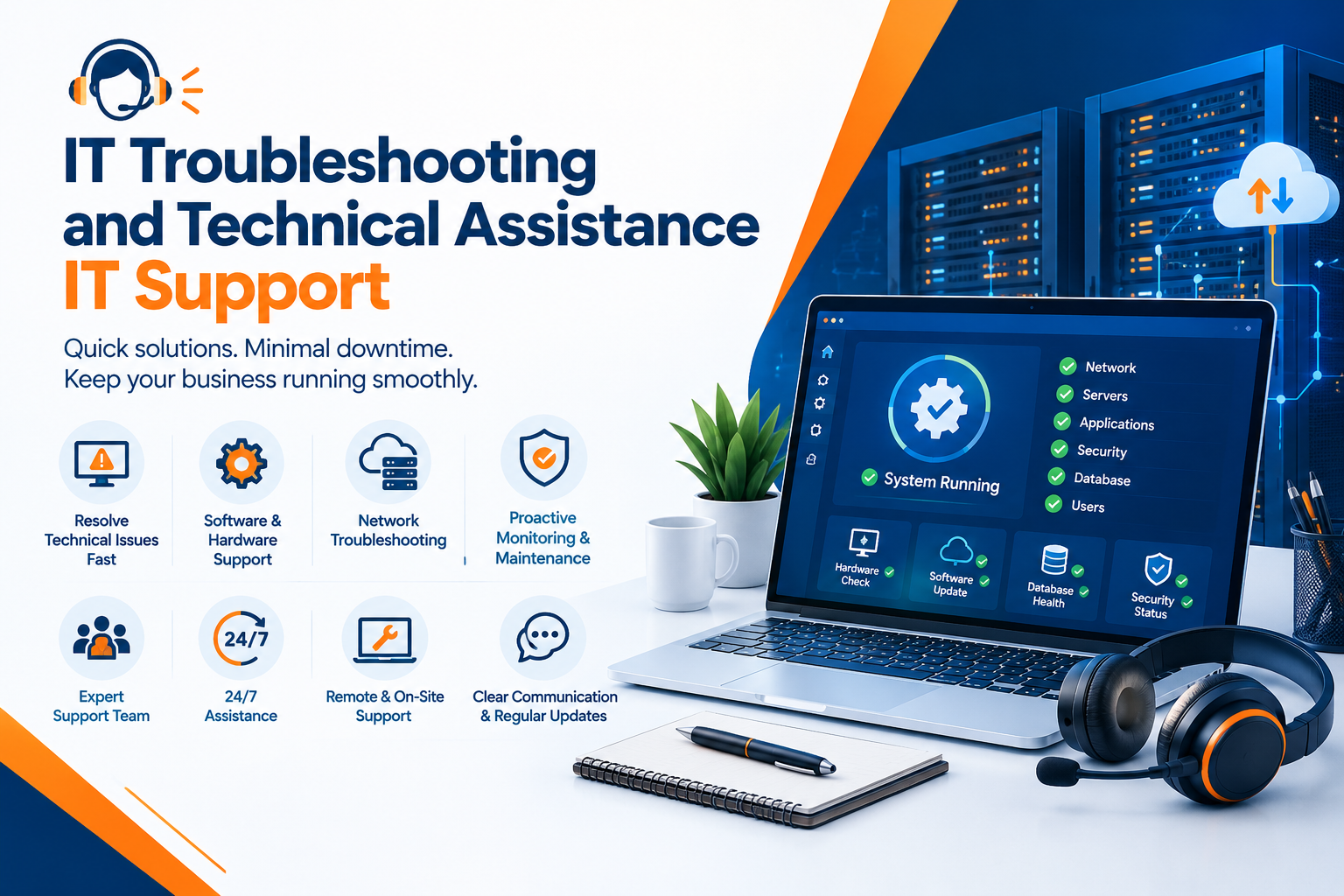
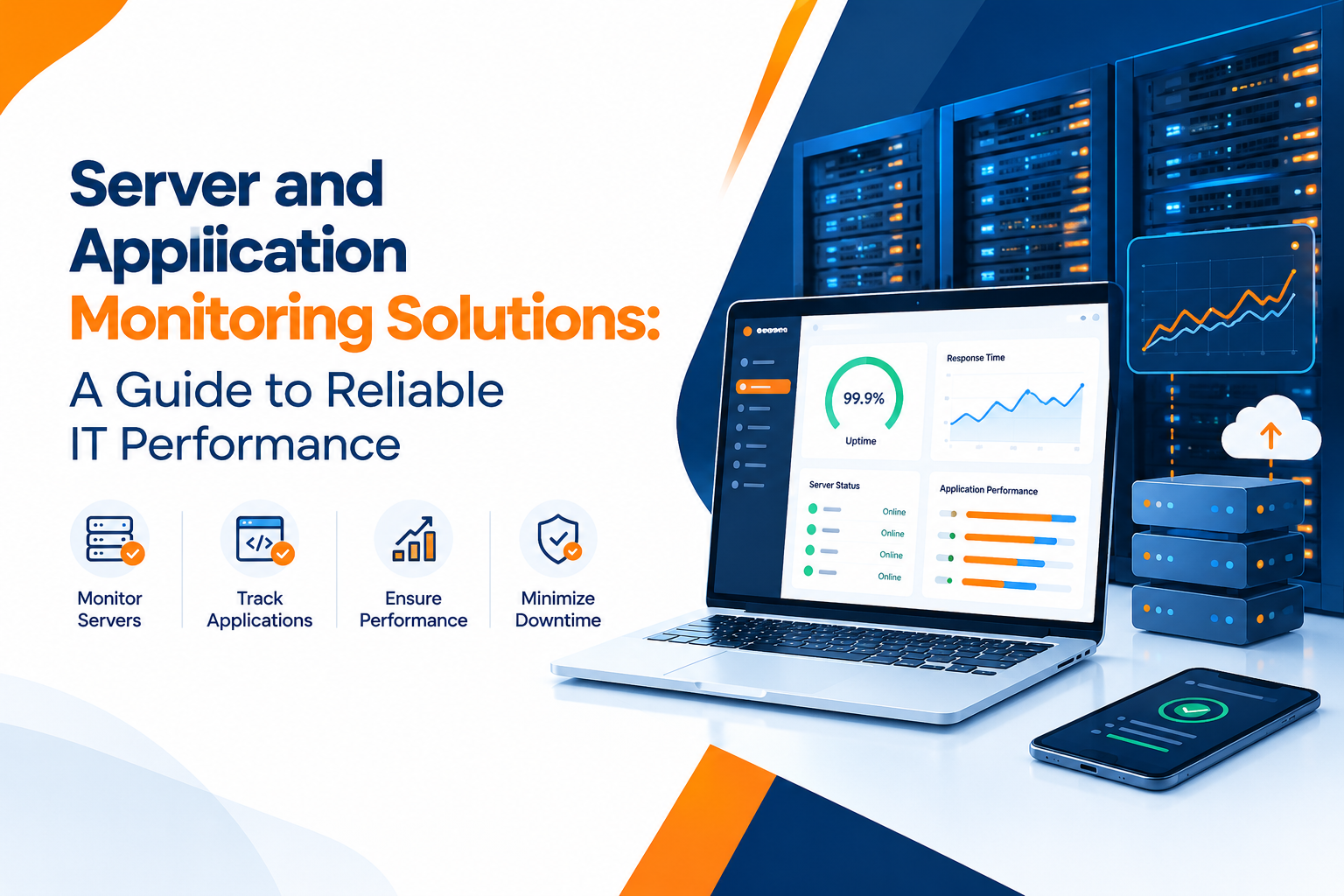
Monitor application availability, response times, error rates, and system downtime. Regular technical monitoring helps businesses maintain reliable digital operations.
How to Build an Effective Performance Tracking System
Businesses should establish a clear process for collecting, analyzing, and acting on performance data.
- Define Business Goals: Establish measurable objectives for each department and operational process.
- Select Relevant KPIs: Choose indicators that directly reflect business priorities.
- Use Centralized Dashboards: Bring important metrics together for easier monitoring and reporting.
- Automate Data Collection: Reduce manual reporting and minimize data-entry errors.
- Review Performance Regularly: Compare actual results against targets and identify recurring patterns.
- Take Corrective Action: Assign responsibilities and implement improvements based on the findings.
A consistent review process ensures that performance tracking leads to practical improvements rather than simply generating reports.
Common Performance Tracking Challenges
Businesses may struggle with incomplete data, disconnected systems, unclear targets, and excessive reporting. Tracking too many metrics can also make it difficult to identify what matters most.
To overcome these challenges, organizations should prioritize meaningful KPIs, maintain reliable data sources, integrate relevant business systems, and communicate performance expectations clearly. Data security and appropriate access controls should also be included when handling sensitive operational information.
How Technology Supports Performance Tracking
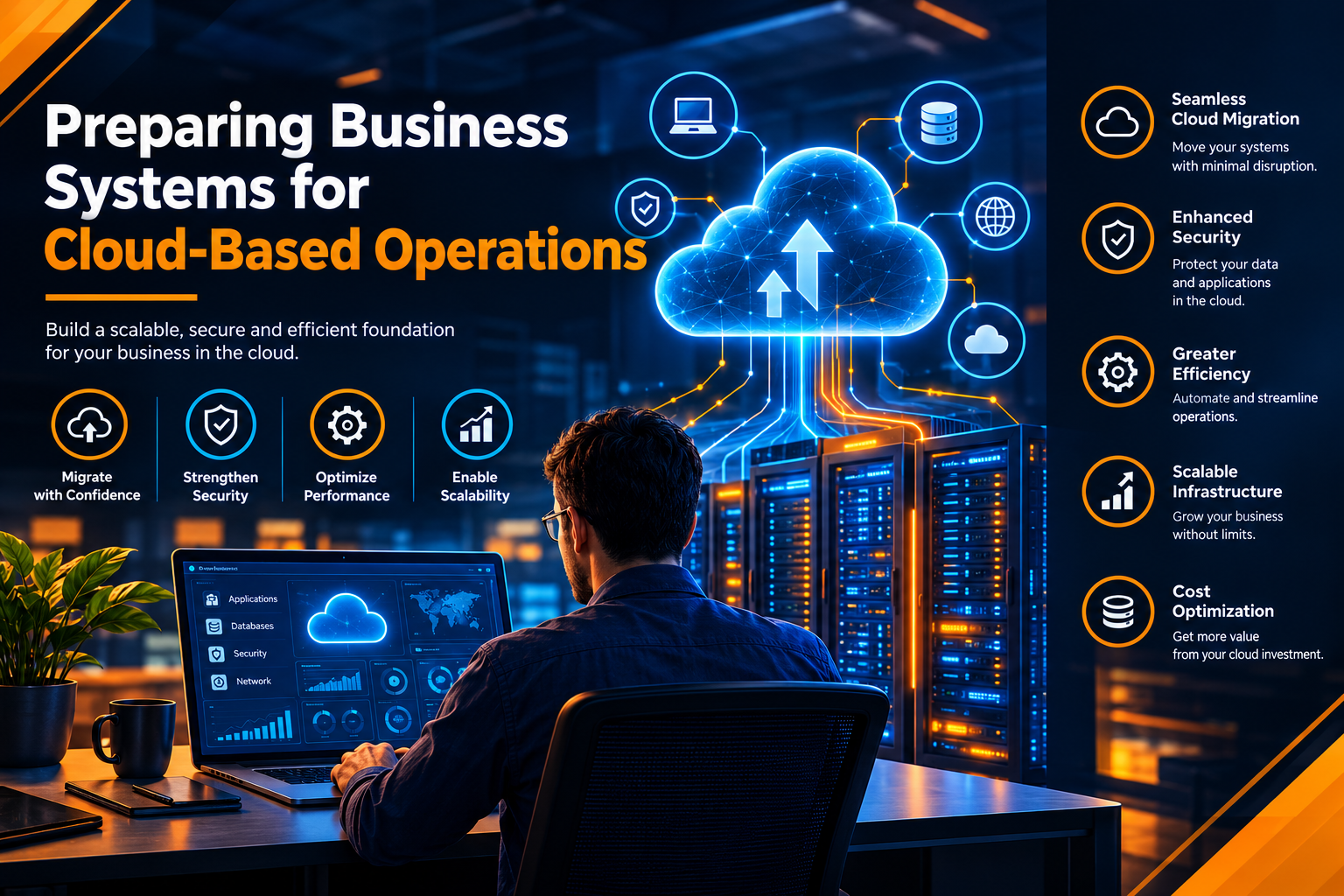
Modern business tools make it easier to collect data, generate reports, and monitor performance in real time. Integrated dashboards, workflow automation, analytics platforms, and business management systems can help organizations connect information across departments.
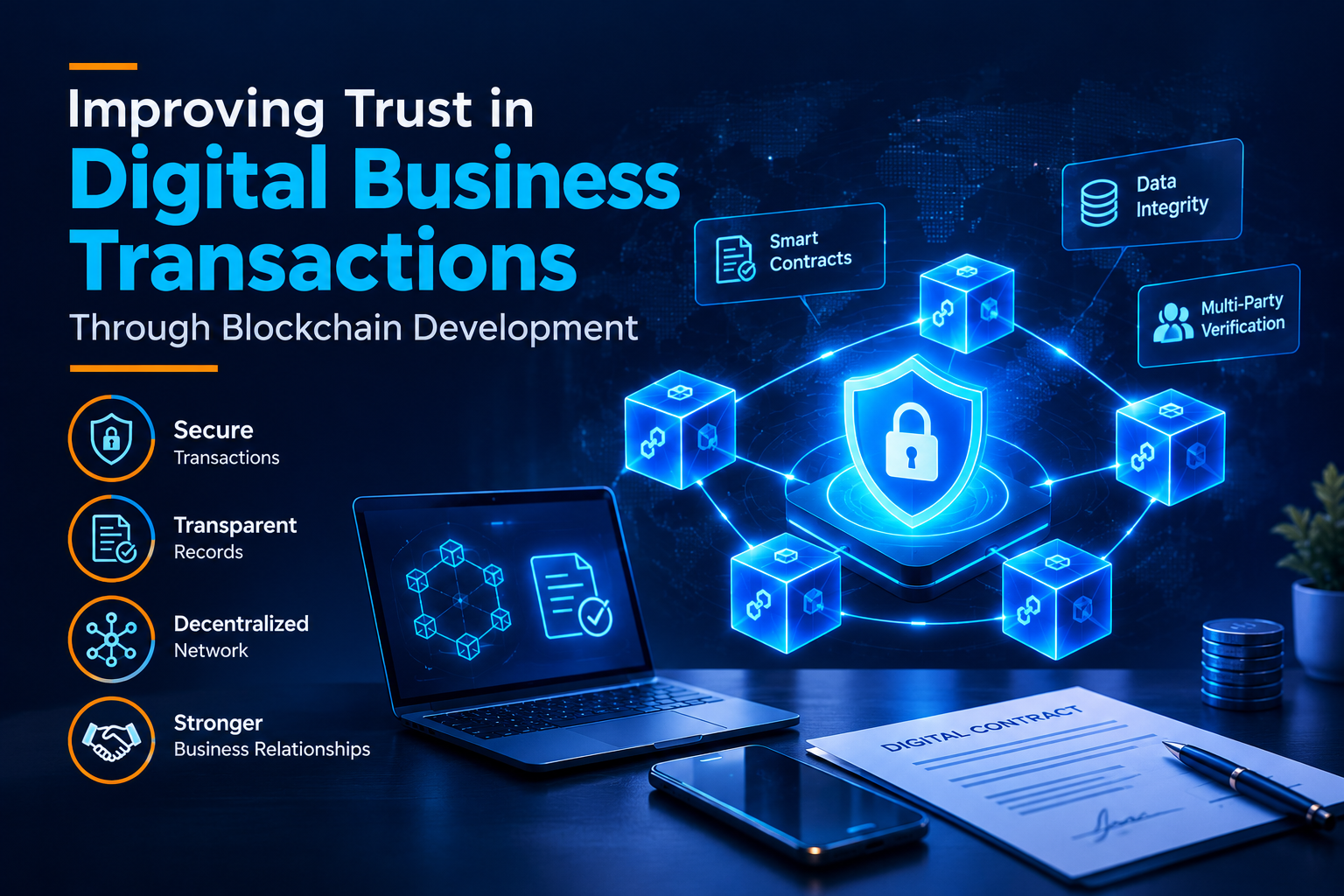
Businesses can also benefit from professional IT solutions that improve system integration, streamline workflows, and support reliable data management. Explore https://www.clopid.com/ to learn more about Clopid and its technology solutions for business operations.
Conclusion
Tracking system performance across business operations helps organizations improve efficiency, monitor progress, and make data-driven decisions. By selecting relevant KPIs, automating reporting, and reviewing results consistently, businesses can identify operational gaps and achieve measurable improvements.
A well-structured performance tracking strategy, supported by suitable technology and integrated business systems, enables organizations to adapt to changing demands and build more efficient operations.
Useful resource: https://www.clopid.com/
Visit website: https://www.clopid.com/